A Data Broker is the New King!
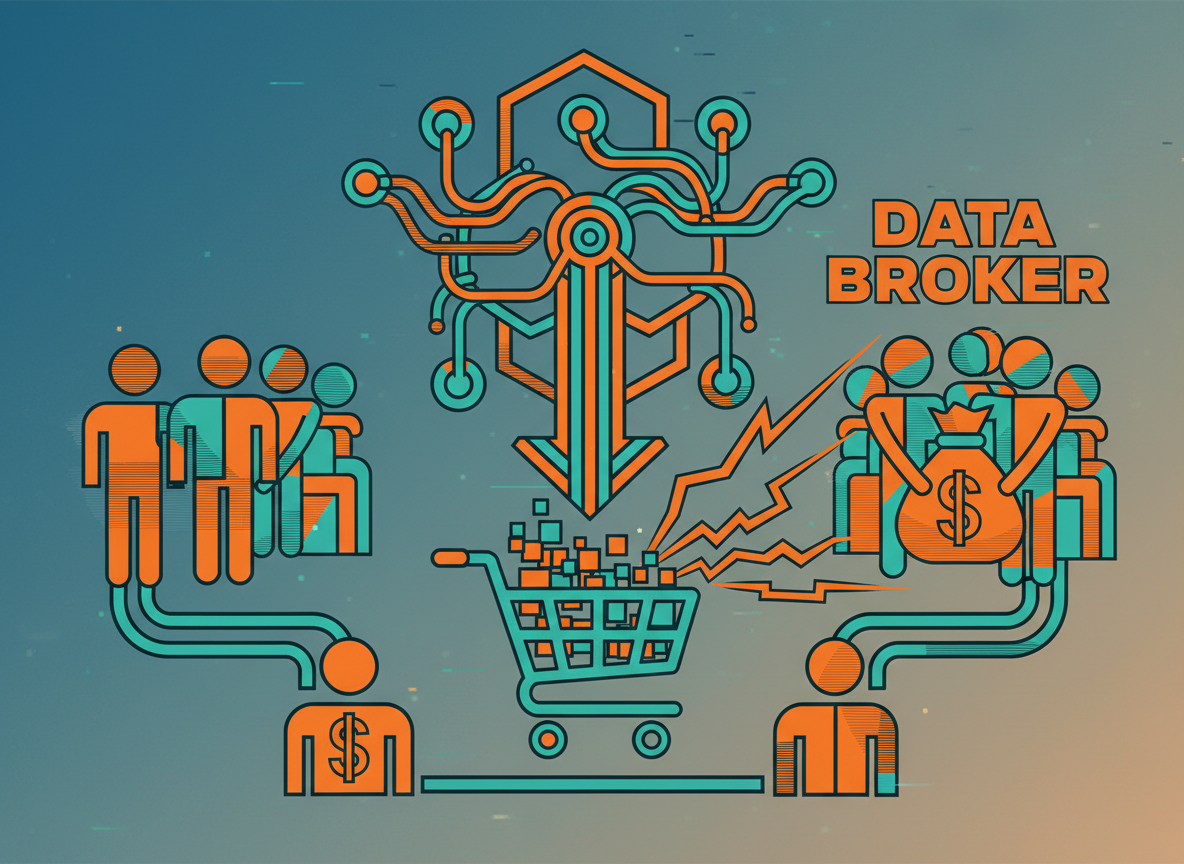
Data brokers are companies that collect, aggregate, and sell our personal information—such as income, browsing history and purchases, and demographics, among other data — to third parties for marketing, risk assessment, or targeted advertising and even fraud. They build detailed profiles of each person using public records, online tracking cookies, social media, and purchases from retailers, and more.
How Data Brokers Collect Your Personal Information
Data brokers gather information from a wide variety of sources, including:
- Public Records: Government databases, including voter registration, property tax records, birth/marriage certificates, and court records.
- Online Tracking & Activity: Websites use tracking cookies and web beacons to track browsing behavior, which is sold to brokers, who sell to other brokers, who sell to anyone.
- Social Media & Web Scraping: Information is harvested directly from social media profiles and websites, using scripts and other code specifically designed for this reason.
- Commercial Sources: Purchase histories from retailers, loyalty programs, and credit card companies can, and do, sell our information to data brokers.
- Data Aggregation: Purchasing data from other brokers or app developers who use tracking inside their applications to gain access to our personal lives and how we use and respond while inside the app.
- Self-Reported Data: Information gathered from surveys, contests, or registration forms.
Key Data Broker Facts
- Scale: Major brokers like Acxiom, Epsilon, and Experian maintain profiles on hundreds of millions of people, often including thousands of unique attributes per person.
- Use Cases: The data is used for targeted ads, background checks for employment/housing, and fraud detection. But, if sold to unethical sources, can be used to target us with spam, defraud us of our money, or even distort us if we have secrets we do not want known.
- Industry Value: The data broker industry is estimated to be worth $200 billion** per year. (**Kaspersky)
- Data Types: Collected information often includes names, addresses, Social Security numbers, email addresses, detailed buying habits, connections, activities, health data and more.
- Data brokers often operate without direct interaction with consumers, creating a “scored society” where people are algorithmically evaluated without their knowledge or consent.
Battling Data Brokers in California
California passed a specific law – called the DELETE’S ACT (SB 362) and created the DROP Platform to help battle data brokers and CA resident’s privacy.
…Which in January 2026 initiated a program named Data Broker Requests and Opt-Out Platform or “DROP” — This will be a free service for all California residents which allows them to submit one single request for their data’s deletion from over 500 registered brokers. The brokers are then required by law to delete the requestor’s data within 90 days. DROP plans to be fully functional by August 2026.
Exceptions: Data brokers do not have to delete information they collected directly from you (Self-Reported Data such as information gathered from surveys, contests, or registration forms) or publicly available data (like vehicle registration, real estate, or public voting records).
Every state could implement such a law!! Contact your local and state leaders to let them know you would like this implemented in your state.
Alternative Methods:
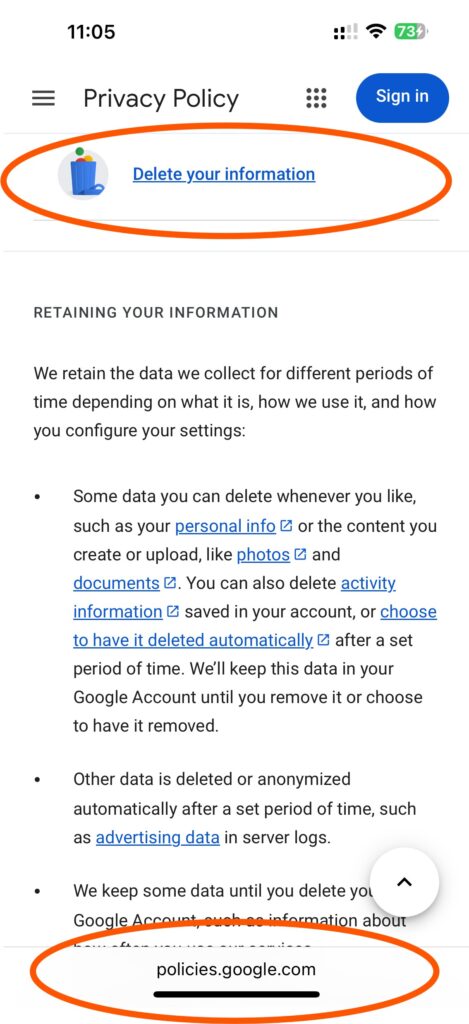
You can request removal of personal information from Google — Gmail and Search records — to hide this information from data brokers, and that can (and does) appear on data broker websites. Find this option in the Google Privacy Policy. (policies.google.com)
Like Google’s Privacy Policy, Safari and Apple offer similar options.
Take it into your Own Hands: Search your favorite browser’s privacy policy online or “how to remove my personal data on Safari” or “….. Apple account.” to find the steps to download and delete your information from these search engines, and applications you have downloaded on your phone or computer.