
Why Seniors are Targeted in Online Scams
The biggest online threats for senior citizens are imposter scams (specifically the “grandparent scam”),…
The biggest online threats for senior citizens are imposter scams (specifically the “grandparent scam”), tech support fraud, and romance scams, which resulted in billions of dollars in losses in 2023 and 2024.
Older adults (60+) are particularly vulnerable to these, with reported losses reaching nearly $5 billion in 2024.
Here is a breakdown of the most critical online threats and why they are so dangerous:
- The Top Three Threats
> Imposter Scams (including “Grandparent” & “Phantom Hacker” scams): Fraudsters pretend to be government agents (IRS, Social Security), bank representatives, or family members in distress to manipulate seniors into moving money to “safe” accounts or sending cash. The “phantom hacker” scam alone cost victims over $1 billion since 2024.
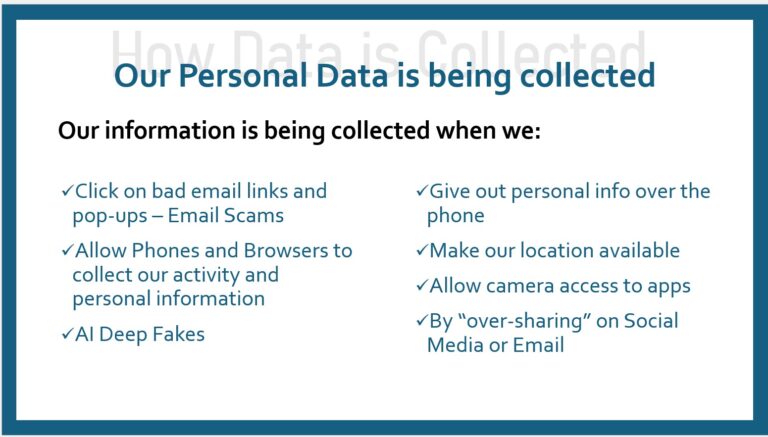
> Tech Support Scams: Scammers use pop-up ads, emails, or fake, urgent phone calls to claim a computer or device is infected with a virus. They then request remote access to the device to steal personal data or demand payment for fake services.
> Romance (“Sweetheart”) Scams: Scammers create fake online profiles to build trust and affection, often targeting widowed or divorced seniors to steal large sums of money for fabricated emergencies. - Emerging and High-Impact Threats
> AI Voice Cloning: Attackers use AI to clone the voice of a loved one, making phone calls or voice messages sound extremely convincing, often used in the “grandparent scam” to request immediate, non-refundable, and hard-to-trace payments.
> Investment Fraud: Often using cryptocurrency, scammers promise guaranteed, high-return, low-risk opportunities to drain retirement savings.
>Smishing (Text Scams): These are increasing in frequency, often claiming a package delivery failed or there is an unpaid toll, aiming to steal personal info or install malware. - Why Seniors are Targeted
> Significant Savings: Seniors are often targeted because they have accumulated more wealth, making them lucrative targets for criminals.
> Trusting Nature: Many seniors are more trusting and polite, which scammers exploit.
> Digital Unfamiliarity: Many older adults are less familiar with online safety protocols, making them easier targets for phishing and fraudulent websites.
> Social Isolation: Living alone can make seniors more vulnerable to emotional manipulation, particularly in romance scams. - How to Protect Seniors
> Never Click Links: Avoid clicking links in unexpected emails or text messages.
> Verify Identity: If a family member or organization contacts you with an urgent request, hang up and call them back using a known, trusted phone number.
> Use Password Managers: Employ strong, unique passwords and a password manager to protect against data breaches.
> Enable Multi-Factor Authentication (MFA): Add this extra layer of security to all important accounts.
> Report Fraud: Report incidents to the FBI’s Internet Crime Complaint Center (IC3) at ic3.gov or the FTC.