What is a Firewall?
Firewall: A network security device that acts as a barrier, controlling incoming and outgoing network…
Firewall: A network security device that acts as a barrier, controlling incoming and outgoing network traffic based on predefined security rules.
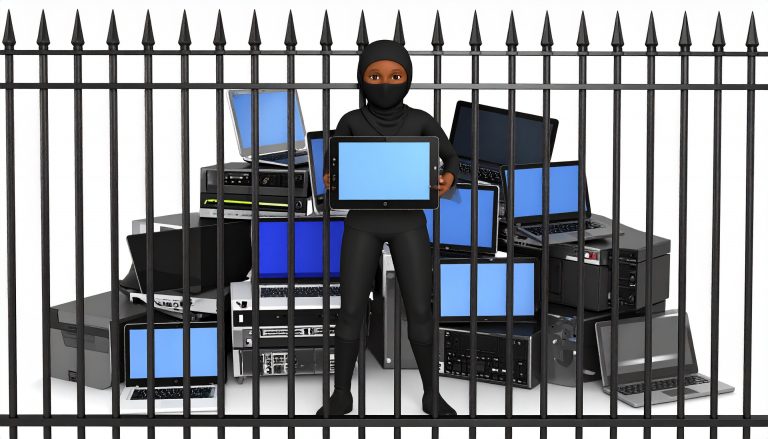
A firewall is a network security system—either hardware or software—that acts as a barrier between a trusted network (like a home/office network) and an untrusted network (the internet). It inspects incoming and outgoing traffic, blocking malicious or unauthorized data packets based on predefined security rules.
How a Firewall Works
- Packet Filtering: The firewall examines individual data packets (source, destination, port, protocol) against established rules. If a packet matches a rule to block, it is denied.
- Stateful Inspection: More advanced than packet filtering, this method monitors the state of active connections, allowing only packets that belong to legitimate, established sessions.
- Proxy Services: The firewall acts as an intermediary, preventing direct network connections between internal users and external websites.
- Action Taken: Based on the rules (e.g., allow, deny, or drop), the firewall decides whether to let traffic pass. It logs and alerts on suspicious activities.
Types of Firewalls
- Hardware Firewalls: Physical devices positioned between the router and the network (e.g., routers with built-in firewalls).
- Software Firewalls: Programs installed on individual computers (e.g., Windows Firewall, macOS firewall).
- Next-Generation Firewalls (NGFWs): Combine traditional filtering with advanced features like deep packet inspection, application control, and malware defense.
Key Functions
- Traffic Monitoring: Constantly inspects incoming and outgoing data.
- Access Control: Blocks unauthorized access attempts and malicious content.
- Threat Prevention: Protects against malware, DoS attacks, and phishing